Is this truly acceptable from an ICANN-accredited registrar?
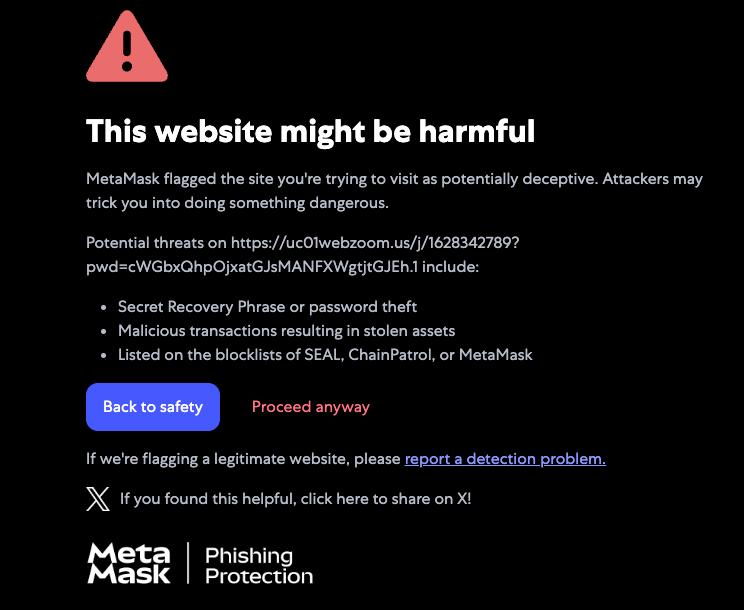
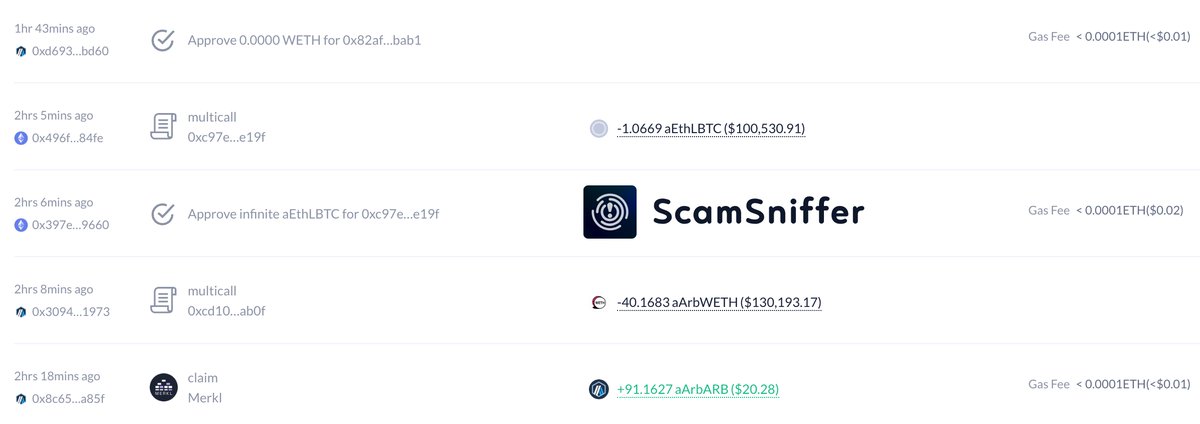
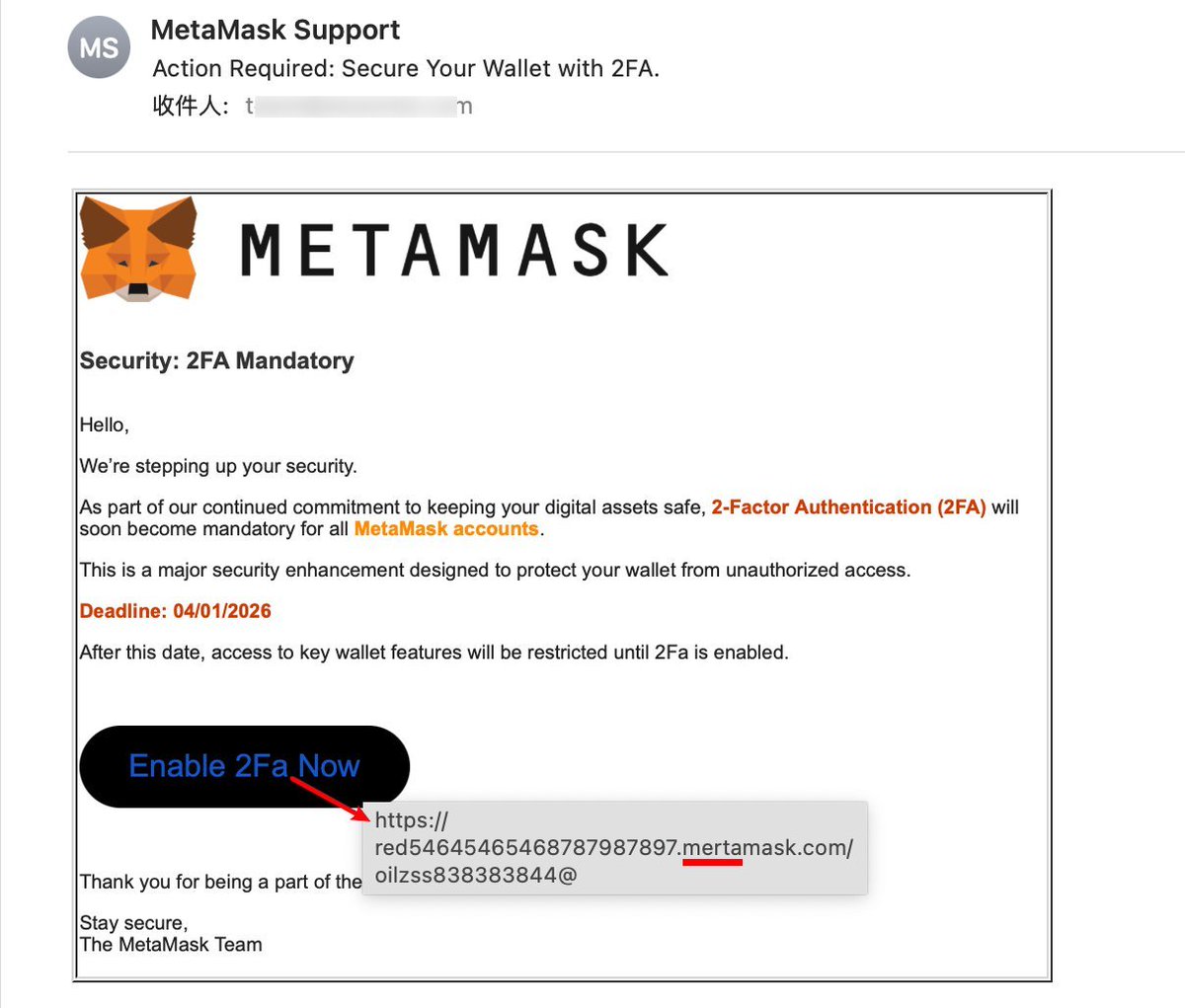
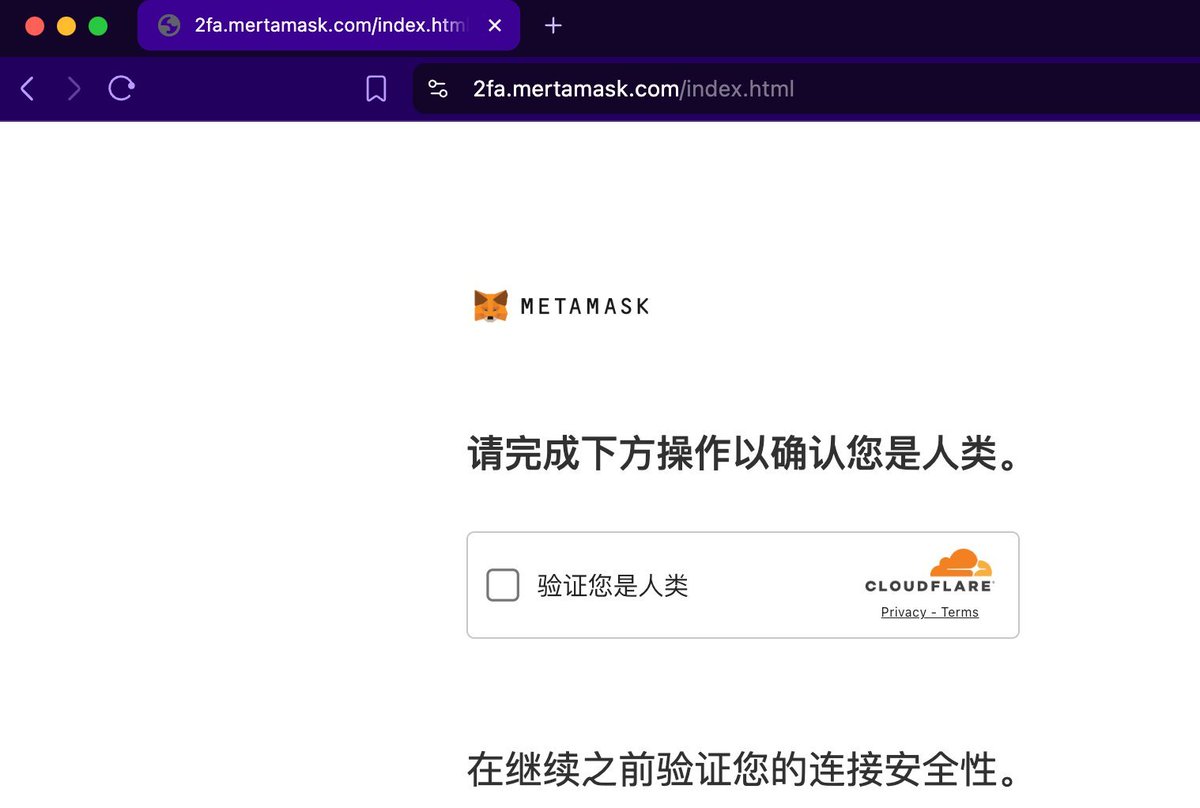
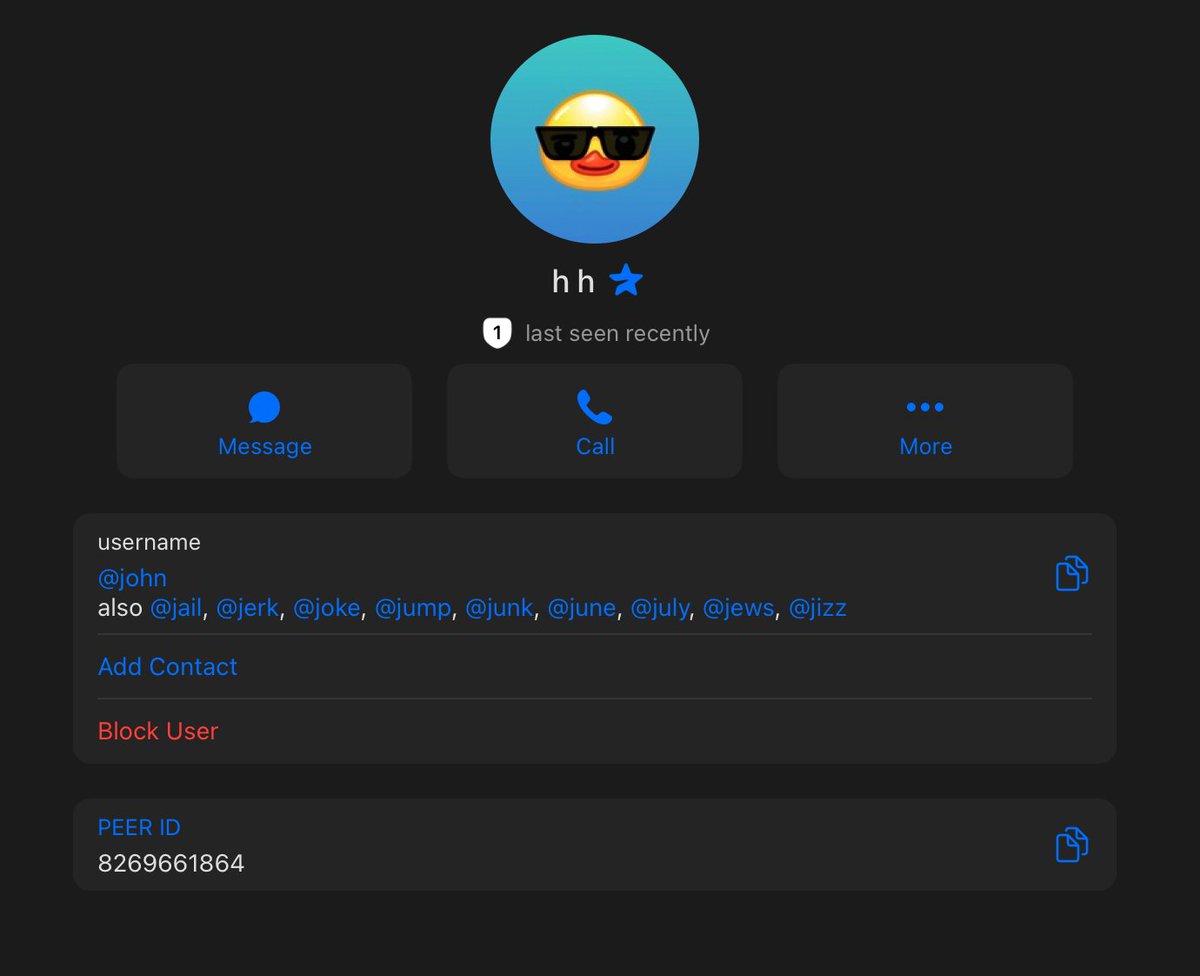
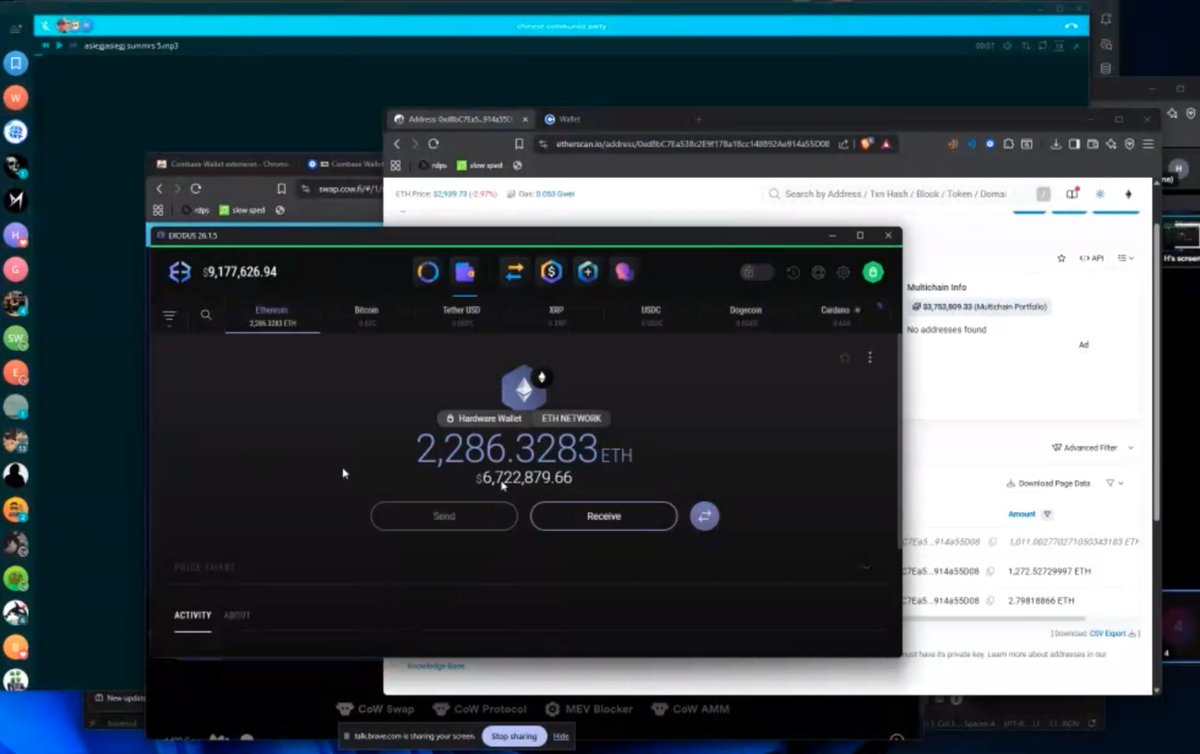
A significant portion of the phishing, drainer, and scam domains we track end up being registered specifically through NiceNIC.
Yet every time full evidence is submitted — URLs, screenshots, timestamps, URLScan intelligence, VirusTotal detections, and complete PDF reports — the response is always the same:
“Not enough information.”
So this raises an even more serious question:
If all that is somehow “insufficient evidence” for NiceNIC to act on clearly malicious domains,
then what is considered sufficient for maintaining ICANN accreditation?
Because right now the pattern looks like this:
• large numbers of confirmed threats registered under the same registrar,
• fully documented abuse reports submitted repeatedly,
• zero action taken,
• automated denials each time,
• malicious infrastructure left online for weeks or months.
At what point does this stop being “slow processing” and start becoming a compliance issue?
And how does a registrar explain rejecting complete verifiable evidence while simultaneously being the registration source for so many identical malicious domains?
This situation cannot continue without oversight.
@NiceNIC_NET @ICANN @apwg @Shadowserver @spamhaus @GlobalCyberAlln